 Destinations
Gultari Valley Travel Guide, A Remote Himalayan Valley Beyond Skardu
📅 August 22, 2026 · ⏱ 10 min read
Gultari Valley is one of the least-understood corners of the wider Baltistan landscape. It is not a polished resort destination with a line of hotels, ticket counters and fixed daily excursions. Public descriptions place the valley area in Gilgit-Baltistan and associate it with the Skardu side of Baltistan, close to sensitive frontier terrain. For travellers, that remoteness is exactly what makes Gultari interesting, but it also means planning must be more careful than for a straightforward trip to Skardu, Shigar or Khaplu.
If your idea of a mountain trip is quiet villages, open high-country scenery, local culture and a journey that feels genuinely outside the main tourism circuit, Gultari can be a fascinating extension to a longer Baltistan itinerary. The key is to treat access as an operational question rather than assuming that every route shown on an old map or travel blog is currently open. Road conditions, security arrangements, seasonal weather and local administrative requirements can change. Before leaving Skardu, confirm the current route and visitor rules with the relevant local authorities or a knowledgeable local operator.
Where Is Gultari Valley?
Gultari is generally described as a large, remote valley area in Gilgit-Baltistan with a number of villages and smaller valley sections. The wider area is associated with the Himalayan highlands and the sensitive frontier belt west of Kargil, while public references commonly connect it administratively with the Skardu side of Gilgit-Baltistan. This is one reason why simple online answers about its district, distance and road route can conflict with one another: Gultari is not a standard, heavily documented tourism circuit like the route from Skardu to Deosai National Park or the Skardu–Shigar road.
The practical lesson is simple: use this guide for trip planning, but confirm the final route locally. A current driver, guide or tourism office will know more about access on your actual travel date than a years-old distance table. If you are building a longer northern itinerary, start with our Skardu Travel Guides and then speak to the team before adding Gultari as a fixed stop.
Why Visit Gultari?
Gultari is for travellers who have already seen the headline attractions or who deliberately prefer a quieter route. The appeal is not one famous monument. It is the combination of broad mountain landscapes, small settlements, agricultural life, open valleys and the feeling of travelling through a part of Gilgit-Baltistan that receives far fewer leisure visitors than central Skardu.
That makes the valley particularly attractive to photographers, slow travellers and visitors interested in landscapes rather than a checklist of famous attractions. In a busy summer itinerary, places such as Shangrila, Upper Kachura, Shigar Fort and Deosai can be full of domestic visitors. A remote valley journey offers a different experience: more time on the road, fewer formal facilities and a greater dependence on local knowledge.
Do not expect a large tourism infrastructure. Depending on the exact village and route, services can be basic and should not be assumed. Carry appropriate clothing, drinking water, power backup and any personal essentials you need. For a remote destination, flexibility is part of the trip.
The Landscape and Local Character
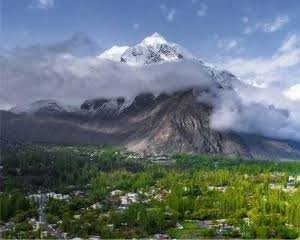
The visual character of Gultari changes with elevation and season. Lower inhabited sections can combine cultivated fields and village life with steep mountain walls, while higher approaches become more open and rugged. Streams fed by snow and seasonal meltwater support settlement and agriculture where the terrain allows. The result is a landscape that feels very different from a conventional urban sightseeing destination.
Public descriptions of the wider Gultari area also refer to several local valley sections and villages, with Shina commonly spoken in addition to the languages used more widely across Gilgit-Baltistan. As elsewhere in the mountains, language and culture can change noticeably from one valley to another. Visitors should avoid treating every community as interchangeable with Skardu city or the more familiar Balti tourist circuit.
That cultural difference is part of the value of visiting responsibly. Ask before photographing people, homes or private agricultural work. Dress appropriately in villages, avoid entering private land without permission and support local businesses where possible. A respectful visitor is more likely to have meaningful conversations and a smoother experience.
How to Plan the Journey from Skardu
Start your journey from Skardu rather than trying to improvise the trip after arriving in the region. Skardu is the main logistical base for eastern and central Baltistan, with the broadest choice of drivers, accommodation, supplies and travel support. You can compare transport through our Skardu rent-a-car options, but for Gultari you should not assume that an ordinary city transfer is sufficient. Confirm the vehicle type, fuel planning and local route knowledge before departure.
Because the exact access route can vary, we deliberately avoid publishing a single guaranteed drive time. Mountain roads can change after landslides, heavy rain, snow or security restrictions. If a journey crosses remote or sensitive terrain, an outdated estimate can create unrealistic expectations. Plan a buffer day instead of connecting a Gultari visit directly to a domestic flight or other time-critical booking.
A practical sequence is to spend at least one night in Skardu first, confirm the current situation, stock up on essentials and then travel with a local driver or guide who understands the route. If your schedule is tight, do not sacrifice the buffer. Remote valleys reward flexible planning much more than rigid hour-by-hour itineraries.
Do You Need a Permit?
This is the most important practical question, and the answer can depend on your nationality, the exact destination and current conditions. Some remote valleys in Gilgit-Baltistan are open for ordinary domestic tourism while particular roads, border-adjacent zones or restricted areas can have additional controls. Foreign visitors can face different requirements from Pakistani citizens.
For that reason, do not rely on an old blog post that says “no permit required” or “permit guaranteed.” Confirm the current position shortly before travel with the relevant district administration, tourism office or a properly informed local operator. If you are visiting from overseas, build enough time into your itinerary to adjust the route if access is restricted. Our Skardu tours for foreign travellers section can help you plan the wider trip, but final access rules must always be confirmed for the exact route.
Best Time to Visit Gultari Valley
For most visitors, the warmer and drier part of the year is the most practical period for remote valley travel. Late spring through early autumn generally offers the best chance of open roads and workable conditions, although the exact window depends on elevation and the route being used. Snow can close or complicate higher approaches well beyond the period when Skardu city itself is comfortable.
Summer is usually the easiest season for longer road journeys and photography, with greener agricultural landscapes and longer daylight hours. Early autumn can be excellent for clearer skies and changing colours, but temperatures fall quickly after sunset. Spring can be beautiful where blossom and new growth appear, although some high routes may still be affected by snowmelt or unstable road conditions.
Winter travel should only be planned with specific local confirmation. A valley that looks reachable on a map may be inaccessible in practice, and basic services become even more limited. If winter photography is your priority, discuss realistic alternatives around Skardu, Shigar or Khaplu before committing.
What to Pack
Remote travel requires a more practical packing list than a simple Skardu city tour. Temperatures can change quickly, particularly in the evening and at higher elevations. Carry layered clothing, a warm insulating layer, a waterproof or windproof outer shell, sturdy walking shoes and sun protection. A power bank is useful where charging opportunities are uncertain.
- Warm layers: mountain evenings can be cold even after a warm day.
- Waterproof protection: useful for sudden rain, snow or wind.
- Comfortable walking shoes: village lanes and unpaved ground can be uneven.
- Drinking water and snacks: do not assume frequent shops or restaurants.
- Power bank and offline maps: mobile coverage can be unreliable.
- Personal medicines: carry enough for the full trip plus a small buffer.
- Cash: card facilities may be unavailable outside major centres.
Photography and Responsible Travel
Gultari is best photographed slowly. Give yourself time for changing light, village landscapes, mountain ridges and everyday scenes rather than rushing between pinned map locations. Early morning and late afternoon usually provide softer light, while midday can be useful for broad high-valley views.
Always remember that this is a living community, not an empty landscape. Ask before making close portraits, keep drones grounded unless you have confirmed that they are permitted, and do not fly or photograph near sensitive infrastructure. Do not leave litter, and take plastic waste back to a larger town whenever possible.
How Many Days Do You Need?
Do not try to treat Gultari as a quick two-hour diversion from a standard Skardu sightseeing schedule. The sensible amount of time depends on current access, but the wider principle is to give the journey enough room. For most travellers, a longer Baltistan trip of at least seven to ten days makes it easier to include one remote valley without losing the core attractions.
A flexible example could begin with arrival in Skardu and the main lakes, continue to Shigar or Khaplu, then reserve time for a locally confirmed remote-valley excursion. You can compare our Skardu tour packages for the main route and customise the quieter extension around your interests. Families and couples should be especially careful about long road days; comfort and reliable stops are often more important than adding one more location.
Where to Stay
Skardu remains the most practical base before and after a remote-valley journey because it has the largest accommodation choice. Browse our hotels in Skardu if you want to compare city, lake and valley-area options. For a multi-day remote route, ask in advance whether a local guesthouse, homestay or simple overnight arrangement is actually available. Do not promise yourself a particular standard of accommodation until it has been confirmed.
Gultari Valley and Deosai: Do Not Assume They Are Interchangeable
Travellers sometimes group every remote landscape in this part of Gilgit-Baltistan into one simple “Deosai area” itinerary. That is misleading. Deosai National Park is a major protected high plateau with its own seasonal access pattern, while Gultari is a separate remote valley area whose practical route and permissions need to be checked independently. Combining destinations can be possible only when the current roads and access rules make it realistic.
The best approach is to tell your planner exactly what you want: remote scenery, village culture, photography, camping, easy family travel or a longer overland expedition. That allows the route to be designed around conditions rather than forcing Gultari into a generic package.
Final Advice Before You Go
Gultari Valley is most rewarding for travellers who enjoy uncertainty in the right way: not unsafe improvisation, but the willingness to let current mountain conditions shape the route. Confirm access close to departure, travel with someone who knows the area, keep your schedule flexible and carry the supplies you may need for a long day away from major services.
If conditions are favourable, the reward is a quieter side of Gilgit-Baltistan, far from the busiest Skardu sightseeing circuit. If access is restricted or the weather turns, do not force the journey. Baltistan has many excellent alternatives, from quiet valleys and mountain landscapes around Skardu to Shigar, Khaplu, Basho and Deosai. A good mountain itinerary always leaves room to change course.
For a current, customised plan, start with your travel dates, nationality, group size and preferred level of comfort, then contact our team through the Skardu Tours contact page. We can help structure the wider itinerary and confirm the practical questions that cannot be answered responsibly by a static webpage alone.
Have questions about planning your own Skardu trip?
💬 Ask Us on WhatsApp